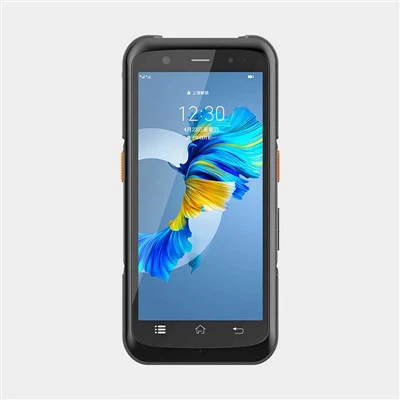
In the dynamic landscape of modern technology, Radio-Frequency Identification (RFID) tablets have emerged as indispensable tools across various industries. As a leading supplier of RFID tablets, we understand the critical role that data transfer speeds play in the efficiency and effectiveness of these devices. In this blog, we will delve into the factors that influence the data transfer speeds of RFID tablets and explore the capabilities that our products can offer.
Understanding RFID Technology and Data Transfer
Before we discuss the data transfer speeds of RFID tablets, it's essential to understand the basics of RFID technology. RFID is a wireless communication technology that uses radio waves to identify and track objects. An RFID system typically consists of an RFID reader, RFID tags, and a software application. The reader emits radio waves that activate the tags, which then transmit data back to the reader.
The data transfer process in an RFID system involves several steps. First, the reader sends a signal to the tags to wake them up. Once the tags are activated, they respond by sending their unique identification numbers and other relevant data back to the reader. The reader then processes this data and sends it to the connected device, such as a tablet or a computer, for further analysis and storage.


Factors Affecting Data Transfer Speeds
Several factors can influence the data transfer speeds of an RFID tablet. These include:
1. RFID Frequency
RFID systems operate at different frequencies, including low frequency (LF), high frequency (HF), and ultra-high frequency (UHF). Each frequency has its own characteristics and data transfer capabilities.
- Low Frequency (LF): LF RFID systems typically operate at frequencies between 125 kHz and 134.2 kHz. They have a relatively short read range, usually up to a few centimeters, and offer slower data transfer speeds compared to HF and UHF systems. LF RFID is commonly used in applications such as access control, animal tracking, and automotive immobilizers. You can find more information about our Android LF RFID Reader.
- High Frequency (HF): HF RFID systems operate at a frequency of 13.56 MHz. They have a read range of up to a few meters and offer faster data transfer speeds than LF systems. HF RFID is widely used in applications such as contactless payment, library management, and inventory tracking.
- Ultra-High Frequency (UHF): UHF RFID systems operate at frequencies between 860 MHz and 960 MHz. They have a long read range, up to several meters, and offer the fastest data transfer speeds among the three frequencies. UHF RFID is commonly used in applications such as supply chain management, asset tracking, and retail inventory management. Our UHF RFID PDA is designed to take advantage of the high data transfer speeds of UHF RFID technology.
2. Reader and Tag Performance
The performance of the RFID reader and tags also plays a significant role in data transfer speeds. A high-quality reader with advanced signal processing capabilities can read tags more quickly and accurately, resulting in faster data transfer. Similarly, tags with high-quality antennas and efficient encoding can transmit data more rapidly.
3. Environmental Conditions
The environment in which the RFID system operates can also affect data transfer speeds. Factors such as interference from other radio signals, metal objects, and moisture can disrupt the communication between the reader and the tags, leading to slower data transfer.
4. Data Volume
The amount of data that needs to be transferred also impacts the data transfer speed. If the tags contain a large amount of data, it will take longer to transfer the information from the tags to the reader and then to the connected device.
Data Transfer Speeds of Our RFID Tablets
As a supplier of RFID tablets, we offer a range of products that are designed to provide high data transfer speeds. Our tablets are equipped with advanced RFID readers that support different frequencies, including UHF, HF, and LF.
UHF RFID Tablets
Our UHF RFID tablets are capable of achieving high data transfer speeds, thanks to the fast communication capabilities of UHF RFID technology. These tablets can read multiple tags simultaneously, allowing for rapid inventory management and asset tracking. With a read range of up to several meters, our UHF RFID tablets can quickly scan large areas, making them ideal for applications such as warehouse management and logistics. You can explore our UHF RFID PDA for more information.
HF and LF RFID Tablets
Our HF and LF RFID tablets also offer reliable data transfer speeds. While the data transfer speeds of HF and LF systems are generally slower than UHF systems, they are still suitable for applications that require a shorter read range and lower data volume. Our Android LF RFID Reader is a great option for applications such as access control and animal tracking.
Applications and Benefits of High Data Transfer Speeds
The high data transfer speeds of our RFID tablets offer several benefits across various industries. Here are some examples:
Supply Chain Management
In the supply chain industry, fast data transfer speeds are crucial for efficient inventory management and logistics. Our RFID tablets can quickly scan and track products as they move through the supply chain, providing real-time visibility and reducing the risk of stockouts and overstocking.
Retail
In the retail industry, RFID tablets can be used for inventory management, loss prevention, and customer service. With high data transfer speeds, retailers can quickly scan and update inventory levels, ensuring that products are always in stock and reducing the time spent on manual inventory counts.
Healthcare
In the healthcare industry, RFID tablets can be used for patient identification, asset tracking, and medication management. Fast data transfer speeds ensure that patient information is accurate and up-to-date, improving the quality of care and reducing the risk of medical errors.
Contact Us for Procurement
If you are interested in purchasing our RFID tablets or have any questions about our products, please feel free to contact us. Our team of experts is ready to assist you in finding the right solution for your specific needs. We believe that our RFID tablets, with their high data transfer speeds and advanced features, can significantly enhance the efficiency and productivity of your business.
References
- "RFID Handbook: Fundamentals and Applications in Contactless Smart Cards, Radio Frequency Identification and Near-Field Communication" by Klaus Finkenzeller.
- "Introduction to RFID Technology" by David W. Engels.