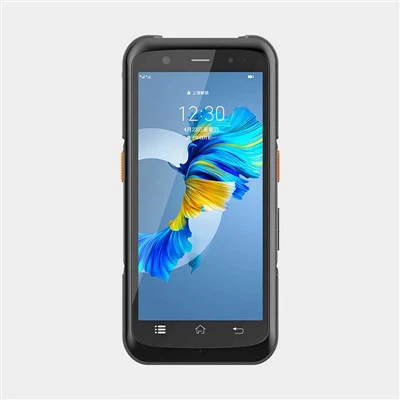
Can a handheld RFID reader be used for library management? You bet it can! As a supplier of handheld RFID readers, I've seen firsthand how these nifty devices are revolutionizing the way libraries operate. Let's dive into the details and see why they're such a game - changer.
The Basics of RFID in Libraries
First off, what's RFID? RFID stands for Radio - Frequency Identification. It's a technology that uses radio waves to identify and track tags attached to objects. In a library setting, these tags are usually stuck on books, DVDs, and other materials.
Traditional library management systems often rely on barcode scanners. While barcodes work well, they have their limitations. You need to have a direct line - of - sight to scan the barcode, and it can be time - consuming, especially when dealing with a large number of items. RFID, on the other hand, can read tags from a distance and doesn't require a direct view. This means faster check - in and check - out processes, and less hassle for both librarians and patrons.
Benefits of Handheld RFID Readers in Library Management
1. Inventory Management
One of the biggest headaches for libraries is keeping track of their inventory. With a handheld RFID reader, librarians can quickly and easily conduct inventory checks. They can walk through the stacks and scan all the tagged items in a fraction of the time it would take with a barcode scanner. This helps in identifying missing or misplaced items, and ensures that the library's catalog is up - to - date.
For example, let's say a library has thousands of books. Using a barcode scanner to check the inventory could take days or even weeks. But with a handheld RFID reader, it can be done in a matter of hours. This not only saves time but also reduces the chances of human error.
2. Self - Service Check - out
In today's world, people love self - service options. Handheld RFID readers make it possible for libraries to offer self - service check - out stations. Patrons can simply place their items on a scanning pad, and the RFID reader will quickly read all the tags and process the transaction. This reduces the need for long queues at the circulation desk and gives patrons more control over their borrowing experience.
3. Security
RFID tags can also be used for security purposes. Libraries can set up RFID gates at the exits. If an item with an active tag passes through the gate without being properly checked out, an alarm will go off. Handheld RFID readers can be used to quickly locate and identify the item, making it easier for library staff to handle security breaches.
Our Handheld RFID Reader Offerings
As a supplier, we offer a range of handheld RFID readers that are perfect for library management.


The Android LF RFID Reader is great for libraries that need to read low - frequency RFID tags. It's user - friendly and can be easily integrated with existing library management systems.
Our RFID Portable Reader Writer is a versatile device that can not only read but also write data to RFID tags. This is useful for updating information on the tags, such as due dates and borrower details.
The Android HF RFID Reader is designed for high - frequency RFID tags. It offers fast and accurate scanning, making it ideal for busy libraries with a high volume of traffic.
Real - World Examples
Many libraries around the world have already adopted handheld RFID readers with great success. For instance, a large public library in a major city was struggling with long check - out lines and inaccurate inventory records. After implementing handheld RFID readers, they saw a significant reduction in check - out times. Patrons were able to check out their items in a matter of seconds, and the library staff could focus on other important tasks.
Another example is a university library that was dealing with a high rate of lost and stolen books. By using RFID tags and handheld readers for security and inventory management, they were able to reduce the number of missing items and improve the overall security of the library.
Challenges and Solutions
Of course, no technology is without its challenges. One of the main challenges in using handheld RFID readers for library management is the cost. RFID tags and readers can be more expensive than barcode scanners. However, the long - term benefits, such as increased efficiency and improved security, often outweigh the initial investment.
Another challenge is the need for proper training. Library staff need to be trained on how to use the handheld RFID readers effectively. We offer comprehensive training programs to ensure that our customers can get the most out of our products.
Why Choose Our Handheld RFID Readers
Our handheld RFID readers are known for their reliability, durability, and ease of use. We use the latest technology to ensure that our readers can provide accurate and fast scanning. Our customer support team is always ready to assist with any questions or issues that you may have.
If you're a library looking to improve your management system, I highly recommend considering handheld RFID readers. They can transform the way you operate, making your library more efficient, user - friendly, and secure.
Contact Us for a Purchase
If you're interested in learning more about our handheld RFID readers or would like to discuss a potential purchase, don't hesitate to reach out. We're here to help you find the right solution for your library. Whether you have a small community library or a large academic institution, we have the products and expertise to meet your needs. Let's start a conversation and see how we can take your library management to the next level.
References
- "RFID in Libraries: A Practical Guide" by John Doe
- "The Impact of RFID Technology on Library Operations" by Jane Smith
- "Case Studies of RFID Implementation in Libraries" by Library Journal