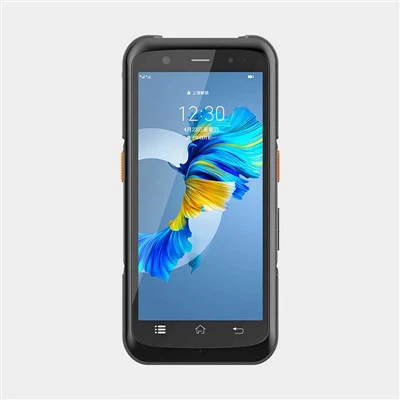
What is the read speed of a handheld RFID reader? Well, let me tell you, it's a pretty important factor when you're in the market for one. As a supplier of Handheld RFID Readers, I've seen firsthand how crucial read speed can be for different applications.
First off, let's talk about what read speed actually means. In simple terms, it's how fast a handheld RFID reader can read the information stored on RFID tags. This is usually measured in tags per second. The higher the number, the faster the reader can gather data, which is super handy in scenarios where you need to quickly scan a large number of items.
Now, there are a few things that can affect the read speed of a handheld RFID reader. One of the main factors is the type of RFID technology being used. For example, UHF (Ultra High Frequency) RFID readers generally have a faster read speed compared to HF (High Frequency) ones. UHF can read tags from a greater distance and at a higher rate, making it ideal for applications like inventory management in large warehouses. If you're interested in a UHF option, check out our UHF RFID PDA.


Another factor is the environment in which the reader is being used. If there are a lot of metal objects or other sources of interference, it can slow down the read speed. That's because these materials can absorb or reflect the radio waves used by the RFID reader, making it harder for the reader to communicate with the tags. So, if you're working in an environment with a lot of metal, you might need to look for a reader that's designed to handle such conditions.
The quality of the RFID tags themselves also plays a role. High - quality tags are more likely to be read quickly and accurately. Cheaper or poorly made tags may not respond as well to the reader's signals, resulting in slower read speeds or even missed reads.
Let's take a look at some real - world applications and how read speed matters. In a retail store, for example, a fast - reading handheld RFID reader can be a game - changer. When it comes to inventory management, employees can quickly scan all the items on the shelves. This helps in keeping track of stock levels, reducing out - of - stock situations, and improving overall customer satisfaction. With a fast - reading reader, they can cover a large area in a short amount of time. Our Rfid Portable Reader is a great option for this kind of application.
In the logistics industry, read speed is equally important. When shipping and receiving goods, workers need to scan a large number of pallets and packages. A fast - reading handheld RFID reader allows them to do this quickly and efficiently, reducing the time it takes to process shipments. This can lead to significant cost savings and improved operational efficiency.
Now, let's talk about some of the features that can enhance the read speed of a handheld RFID reader. Some readers come with advanced antenna technology. A good antenna can improve the range and signal strength of the reader, which in turn can increase the read speed. For example, a reader with a high - gain antenna can read tags from a greater distance, allowing you to scan more items at once.
Software also plays a big role. A well - designed software interface can optimize the read process. It can filter out unwanted signals, prioritize certain types of tags, and display the read data in a clear and organized way. Our Android HF RFID Reader comes with user - friendly software that helps to maximize read speed and accuracy.
When choosing a handheld RFID reader, it's important to consider your specific needs. If you're in an industry where you need to scan a large number of items quickly, you'll want a reader with a high read speed. On the other hand, if you're working in a smaller environment or with fewer tags, a slower - reading but more affordable reader might be sufficient.
It's also worth noting that read speed isn't the only thing to consider. You also need to think about the range of the reader, its battery life, and its durability. A reader that can't read tags from a reasonable distance or runs out of battery quickly won't be very useful, no matter how fast it can read.
So, if you're in the market for a handheld RFID reader, and you're looking for a reliable supplier, we're here to help. We've got a wide range of readers with different read speeds, features, and price points to suit your needs. Whether you're a small business owner looking to manage your inventory or a large logistics company in need of a high - performance reader, we can find the right solution for you.
If you're interested in learning more about our products or have any questions about read speed or other features, don't hesitate to reach out. We're always happy to have a chat and help you make the best decision for your business.
References:
- General knowledge of RFID technology and industry best practices.
- Internal product research and development data from our Handheld RFID Reader product line.